– That’s why sleep plays a bigger role than you think.
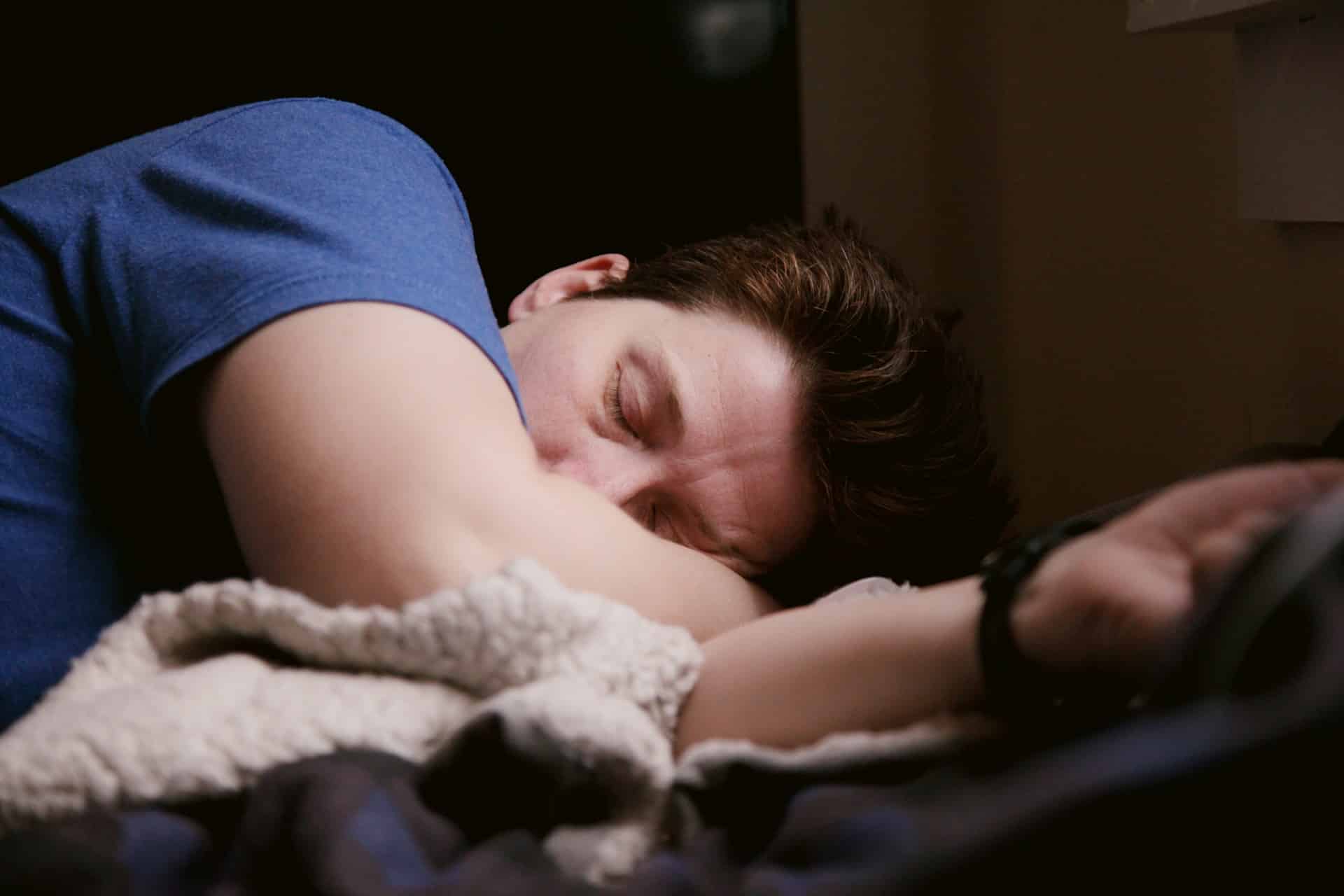
Did you know that the brain has its own purification system? A kind of built-in cleaning patrol that works while you sleep at night, when the body follows its natural circadian rhythm.
A little over a decade ago, researchers described a system that really changed the way we think about brain health. It’s called the glymphatic system, and it was discovered in 2012 by Danish brain researcher Maiken Nedergaard and her team. Since then, research has exploded around the world, precisely because this system appears to play a key role in how the brain stays healthy over time.
The glymphatic system
The glymphatic system is the brain’s own cleaning and drainage system. It flushes away waste products that otherwise risk accumulating in a pile. Unlike the rest of the body, the brain does not have a regular lymphatic system. Instead, it uses cerebrospinal fluid, which slowly circulates through the brain tissue, along the outsides of the blood vessels. As the fluid moves between the nerve cells, it picks up waste and carries it away via the veins. It’s literally like the brain is being flushed clean from the inside. This happens most effectively during deep sleep. Then the nerve cells shrink slightly, the space between them becomes larger and the fluid can flow more easily. The result is that the brain’s cleaning patrol has plenty of room to work.
This is why naps aren’t enough
But deep sleep alone is not enough. Timing also matters.
The brain’s cleansing system is controlled not only by how deeply we sleep, but also by our circadian rhythm. This means that even though you can get some deep sleep during the day, for example when taking naps or working nights, it doesn’t have the same effect as deep sleep at night.
The reason is that several systems that cooperate with brain cleansing are controlled by circadian rhythms. Hormones such as melatonin and cortisol, the rhythmic pulsations of blood vessels, and supporting cells in the brain are set for nighttime sleep. When the timing is out of sync, as with jet lag, shift work, or daytime napping, cleansing functions less well even though you are actually sleeping.
How does age affect?
As we age, this system becomes less efficient. Blood vessels stiffen, blood flow in the brain slows down, and the interaction between sleep and circadian rhythms becomes more vulnerable. This is one reason why sleep problems in the elderly are not just about fatigue, but also about brain health and cognitive function.
Brain health is not just about diet, exercise or crossword puzzles, but above all about sleep. Regular nightly sleep, respect for the circadian rhythm and avoiding prolonged sleep deprivation are basic maintenance for the brain.
Reference
This article is based on the study Glymphatic system: a self-purification circulation in brain, Chen et al (2025) published in Frontiers in Cellular Neuroscience. https://doi.org/10.3389/fncel.2025.1528995