Pinealon and Cortagen are two short synthetic peptides that appear in the research literature on peptide bioregulators, aging, and the nervous system. They are primarily associated with Vladimir Khavinson’s research environment.
Pinealon is a tripeptide with the sequence Glu-Asp-Arg (EDR) . Cortagen is a tetrapeptide with the sequence Ala-Glu-Asp-Pro (AEDP) . Both have been studied experimentally, but they should not be confused with established treatments for neurological disease.
What is Pinealon?
Pinealon is a short synthetic peptide consisting of three amino acids. In published research, it has been investigated in, among other things, nerve cell-like cell models and other experimental systems.
A 2011 study reported that Pinealon reduced the accumulation of reactive oxygen species and affected cell survival and proliferation-related processes in several cell models exposed to oxidative stress.
The pineal gland and the brain
The fact that Pinealon is often marketed in connection with the “brain” comes from its research history and from studies of nerve-related cells. There are also reviews from the Khavinson community that discuss Pinealon together with other neuroactive peptides.
However, cell protection under laboratory conditions is not the same as improved memory, prevention of dementia, or treatment of neurological disease in humans. Such clinical claims require their own robust studies.
The core and gene expression
Studies have reported altered gene expression patterns after exposure to Cortagen. Other short peptides in the same tradition have also been investigated with respect to chromatin and gene regulation.
This is relevant basic research, but words like “epigenetic” or “gene regulatory” should not be used as a shortcut to health promises. Almost all biologically active interventions can affect gene expression in some way.
Pinealon, Cortagen and Khavinson peptides
Both belong to the broader field of peptide bioregulators and Khavinson peptides . There we explain the difference between natural peptide complexes, defined short peptides and different types of research results.
Other well-known names in the same literature are Epitalon/Epithalon and Thymalin/Thymogen .

Pinealon, Cortagen and Khavinson peptides
Both belong to the broader field of peptide bioregulators and Khavinson peptides . There we explain the difference between natural peptide complexes, defined short peptides and different types of research results.
Other well-known names in the same literature are Epitalon/Epithalon and Thymalin/Thymogen .
Be careful with product claims
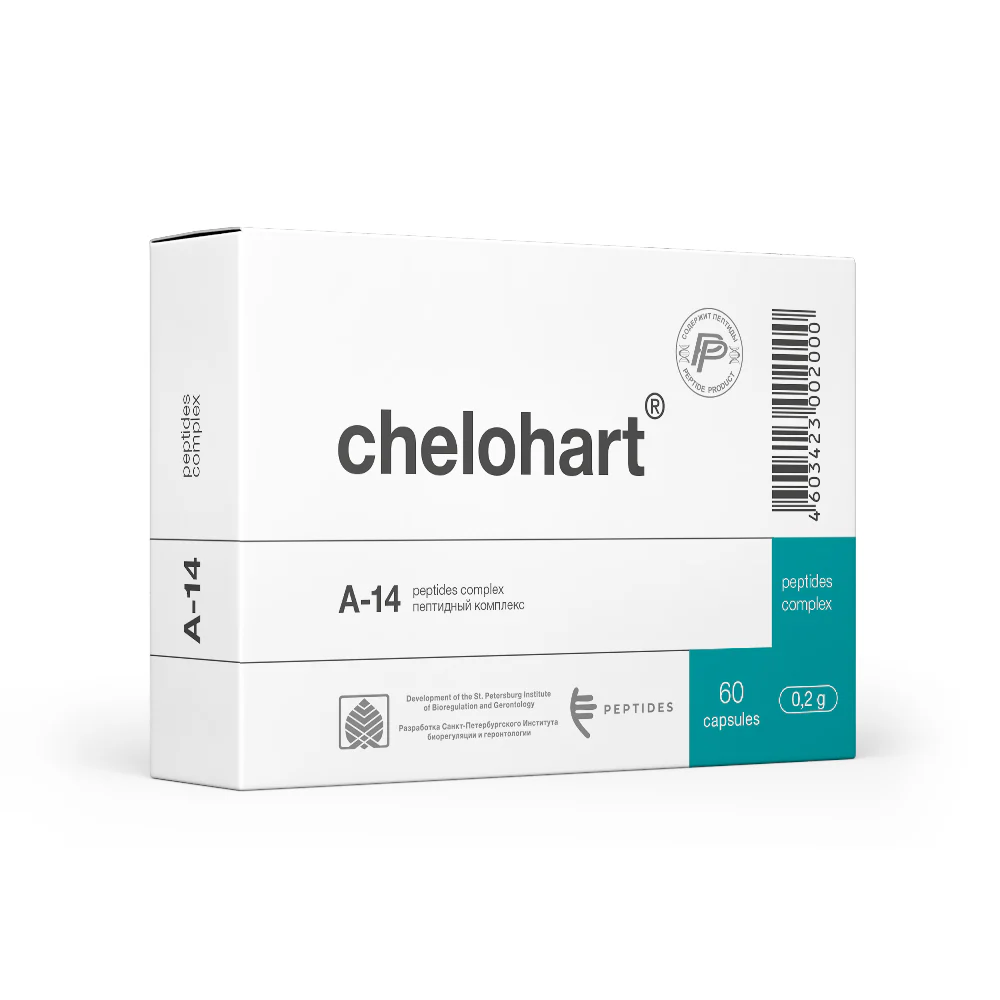
In international markets, various products are sold under peptide names. The name on the label does not guarantee identity, purity, dosage or clinical efficacy.
This article is intended to help the reader understand the research and concepts. It is not a recommendation to use Pinealon, Cortagen, or other research peptides.
Frequently asked questions
What does Pinealon consist of?
Pinealon is the tripeptide Glu-Asp-Arg, often abbreviated EDR.
What does Cortagen consist of?
Cortagen is described in published research as the tetrapeptide Ala-Glu-Asp-Pro, AEDP.
Is Pinealon proven to be good for the brain?
There is experimental research in cell and other models, but it is not enough to call Pinealon an established treatment for cognitive or neurological disorders.
Are Pinealon and Cortagen the same thing?
No. They are different peptides with different amino acid sequences and research histories.
Does Neokliniken sell or prescribe these as medicines?
The page is a knowledge article and should not be interpreted as medical prescription.
Important information
Neokliniken works with complementary health care and well-being. The information on the page is general and does not replace medical assessment, diagnosis or treatment. In case of new, severe, prolonged or worrying symptoms, you should contact the health care system.