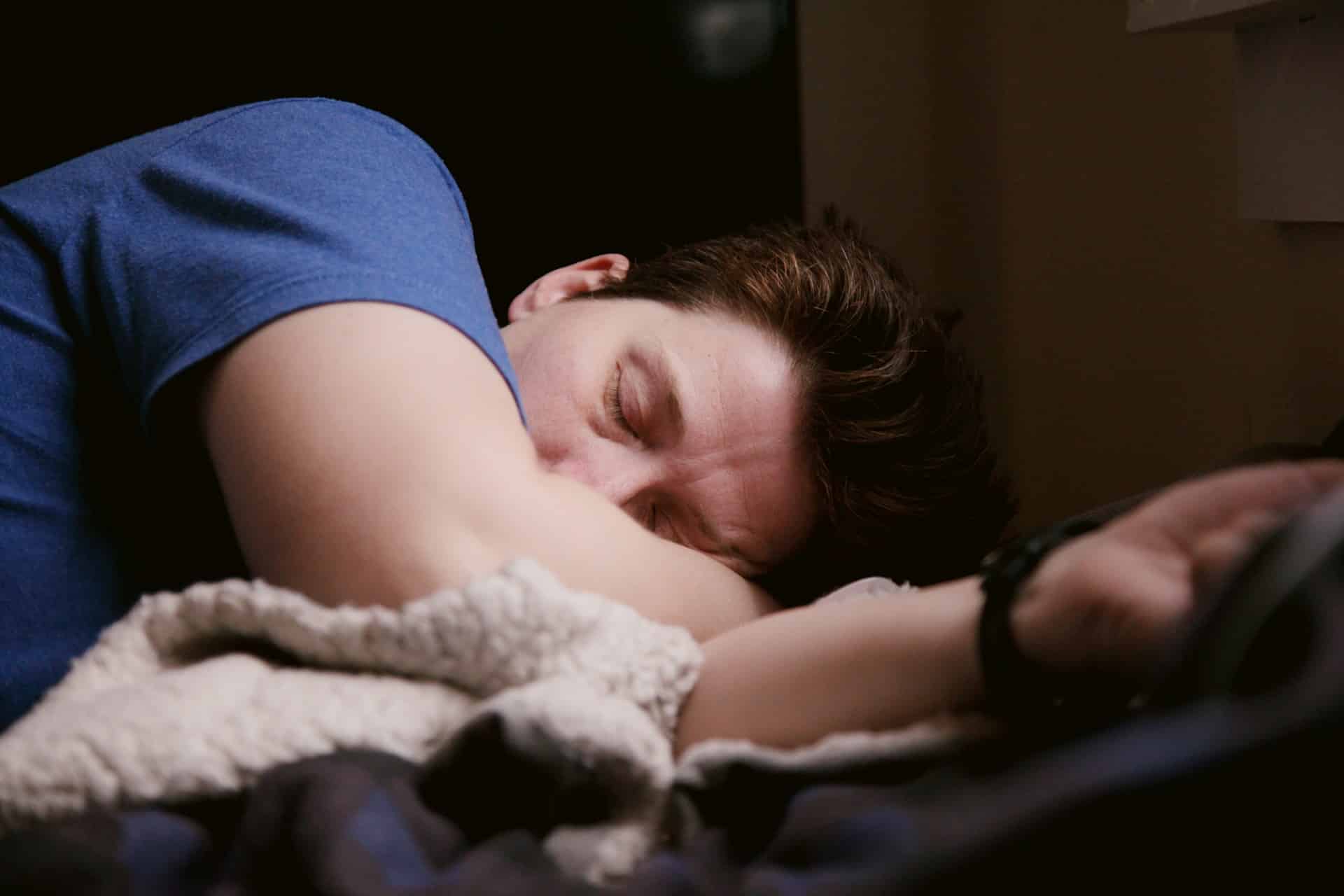
Feeling tired after an intense day or a night with too little sleep is normal. But when the fatigue is there almost every day, when the body feels heavy and the energy doesn’t return despite rest, it’s natural to start wondering why.
Fatigue, lack of energy and low energy are symptoms – not diagnoses. They can be related to sleep, stress, recovery, eating habits and physical exertion, but also to medical causes that need to be assessed by healthcare. Therefore, it is rarely wise to try to find a single explanation on your own. It is more helpful to look for patterns and at the same time be aware of when fatigue should be investigated.
Why am I so tired all the time?
There are many possible reasons for feeling constantly tired . Not getting enough sleep is one of the most common, but it’s far from the only one. Poor sleep quality, stress, depression, medications, alcohol, low physical activity, high training load, infections and deficiency states can all affect how much energy you experience during the day.
Medical conditions can also cause fatigue. Examples include anemia, sleep apnea, and thyroid dysfunction. This doesn’t mean that someone who is tired automatically has one of these conditions, but it does show why prolonged or unexplained fatigue shouldn’t be reduced to advice to just “get more sleep.”
For many, the cause is also complex. A period of high workload can lead to poorer sleep, irregular meals and less exercise. Each factor alone may not be decisive, but together they can clearly affect energy.
Common fatigue or long-term fatigue?
Temporary fatigue usually improves when the workload is reduced and you are given the opportunity to sleep and recover. Long-term fatigue is more persistent. For example, you may wake up not feeling refreshed, need significantly more rest than before, or notice that everyday activities take an unusually high amount of energy.
It is especially relevant to react if you are tired every day , if the fatigue is getting worse or if it affects work, studies, exercise or social life. The same applies if the fatigue comes along with other symptoms, such as shortness of breath, recurrent dizziness, palpitations, fever, involuntary weight loss or clear muscle weakness.
Sleep – both quantity and quality matter
Lying in bed for eight hours doesn’t automatically mean you get eight hours of restorative sleep. Stress, alcohol, pain, snoring and sleep disorders can fragment sleep. Sleep apnea causes repeated pauses in breathing that can disrupt sleep at night and cause severe daytime fatigue.
If your biggest problem is waking up tired despite getting enough sleep, there is a separate guide on morning fatigue. It may also be helpful to keep track of your sleep times, wake-ups, caffeine and alcohol intake for a few weeks to see if a pattern becomes clearer.

Stress, recovery and mental strain
Long-term stress can affect sleep, concentration and perceived energy. The stress doesn’t just have to come from work. Family responsibilities, anxiety, financial stress, high levels of exercise and constant availability can all combine to make recovery too slow.
Feeling completely energyless can therefore occur even in those who do not perform heavy physical work. If you also feel depressed, have anxiety or notice clear signs of fatigue, it is important to seek the right support in healthcare.
Food, fluids and energy drinks
Regular and sufficient meals help the body get energy and nutrients. A one-sided diet, very restrictive diets or frequently skipping meals can contribute to feeling low in energy. Lack of fluids can also cause fatigue and headaches.
Some people become especially tired after meals or in the afternoon . A certain afternoon dip is normal, but severe or recurring meal-related fatigue may be worth investigating along with sleep, meal size, alcohol, caffeine, and other symptoms.
When fatigue comes with dizziness, headaches or heart palpitations
Symptom combinations can provide important information, but they are rarely specific enough for self-diagnosis. For example , tired and dizzy, tired and cold, tired and short of breath , or tired with palpitations can occur in several completely different conditions.
Anemia is an example of a medical cause that can cause fatigue, decreased energy, dizziness, headache, palpitations, and shortness of breath. Hypothyroidism can cause fatigue and chills, among other things. Both require medical assessment and, if necessary, testing – they cannot be determined through a complementary health method.
What can you do yourself to get a better overview?
Start with things that you can observe. For two to three weeks, you can note sleep, energy levels morning–noon–evening, meals, physical activity, stress, caffeine, alcohol, and any other symptoms. The goal is not to diagnose yourself, but to see patterns.
At the same time, review the basics: regular sleep times, daylight, moderate physical activity, a varied diet and space for recovery. If the fatigue still persists, it is reasonable to discuss it with the health center.
When the tests are normal but you still feel bad
Sometimes a medical examination does not reveal a clear explanation even though the person is still experiencing low energy or several diffuse complaints. This does not mean that the symptoms should be ignored. Nor does it automatically mean that there is a hidden disease that regular tests have “missed”.
In our guide to diffuse symptoms and normal tests, we go through how to think when several symptoms overlap, what questions may be valuable to take forward with care, and how lifestyle factors can be mapped without confusing complementary health care with medical diagnostics.
How Neokliniken can fit in as a complement
Neokliniken works with complementary health care. A full-body reading with Metatron Hospital is used by us as a basis for discussions about diet, habits, recovery and well-being. It does not replace blood tests, medical evaluation or other medical diagnostics.
The approach is close to what we describe as holistic health : looking at multiple parts of everyday life together instead of isolating a single factor. For those who want a personalized approach, you can also read about precision health .
When should you seek medical attention?
Contact a health center if fatigue is long-lasting, increases, clearly affects your daily life, or does not improve despite reasonable changes in sleep and recovery. Seek care more quickly if you experience severe shortness of breath, chest pain, fainting, new pronounced weakness, or other acute symptoms.
If you have recently had Covid-19 and have lingering symptoms, you can also read our in-depth article on post-Covid and long-term Covid .
Frequently asked questions
Why am I always tired even though I sleep?
Sleep quality can be impaired even if you sleep for many hours. Stress, pain, alcohol, repeated awakenings and sleep apnea are examples of things that can interfere with recovery.
Can iron deficiency make me feel weak?
Yes, iron deficiency can lead to anemia and cause fatigue and decreased energy, among other things. Suspected iron deficiency should be assessed with appropriate medical testing.
How do you get more energy?
It depends on the cause. Sleep, recovery, a varied diet, daylight and physical activity are important basic factors, but prolonged or severe fatigue may need to be investigated medically.
Can Neokliniken diagnose the cause of my fatigue?
No. Neoclinic’s methods are complementary and are used as a basis for conversations about lifestyle and well-being, not for medical diagnostics.
Can Neokliniken diagnose the cause of my fatigue?
No. Neoclinic’s methods are complementary and are used as a basis for conversations about lifestyle and well-being, not for medical diagnostics.
Read more at Neokliniken
Important information
Neokliniken works with complementary health care and well-being. The information on the page is general and does not replace medical assessment, diagnosis or treatment. In case of new, severe, prolonged or worrying symptoms, you should contact the health care system.